The welcome end of centralized data-centers.

Data centers are draining the grid and the rivers, devastating and polluting towns in their path. No one wants them — not Democrats, not Republicans, not Independents. Neither Europe nor Asia are deploying them. Why? Because the technology is already obsolete. It's a zombie business model.

There is a better way to deploy solutions requiring compute. EcoData commercializes Fractal Computing — a declassified distributed architecture that runs where the data already lives, slashing power, water, chips, construction, and land use. No more eminent domain throwing people off their land. Zero harm. 90% compute cost reduction. 100X performance increase. Massive profits.

Profitable performance in harmony with people and nature.

Doubt it? Read our performance reviews.
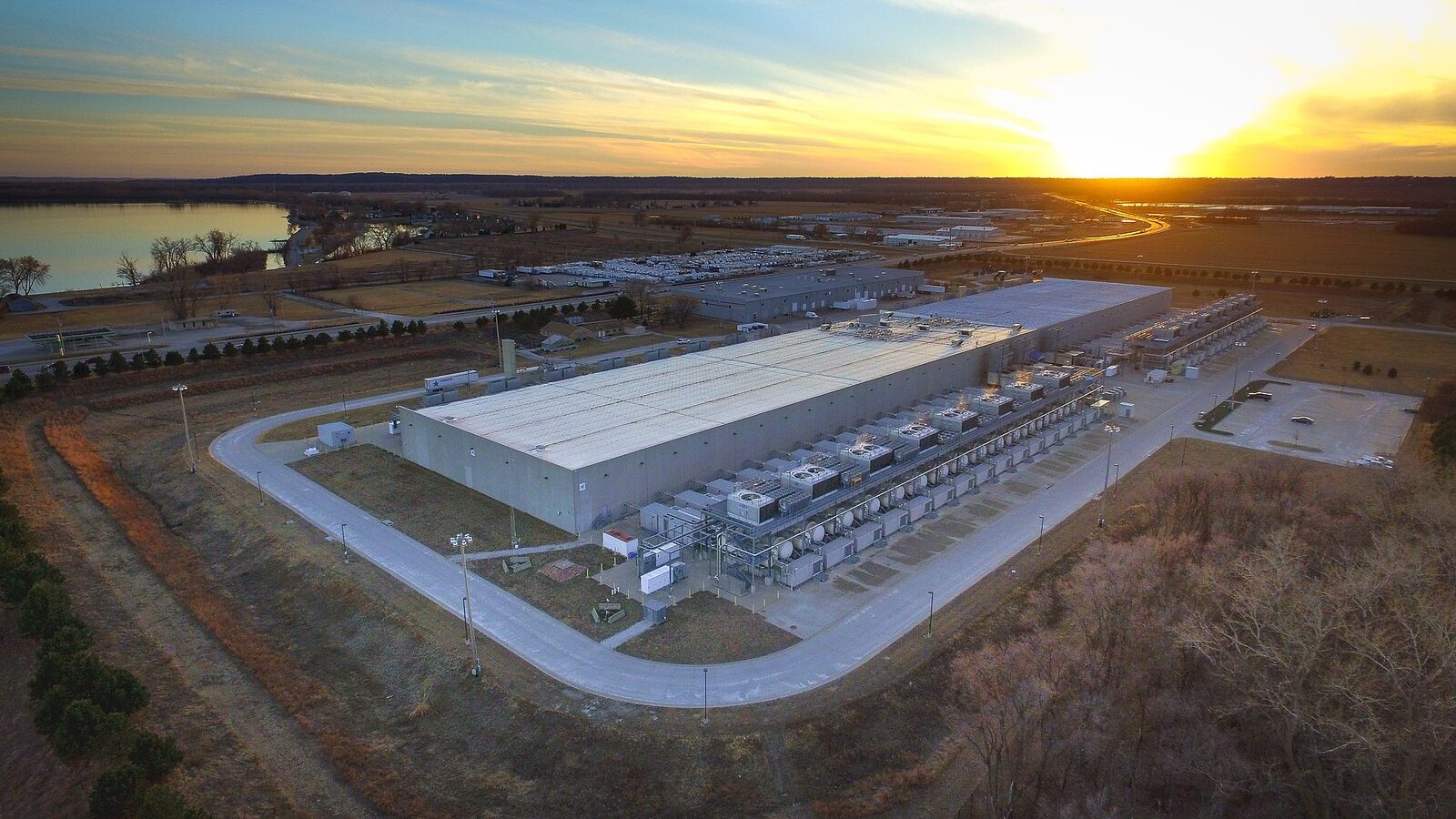
From — the monster A sprawling data center — the monster Chad Davis · CC BY 2.0
To — Fractal
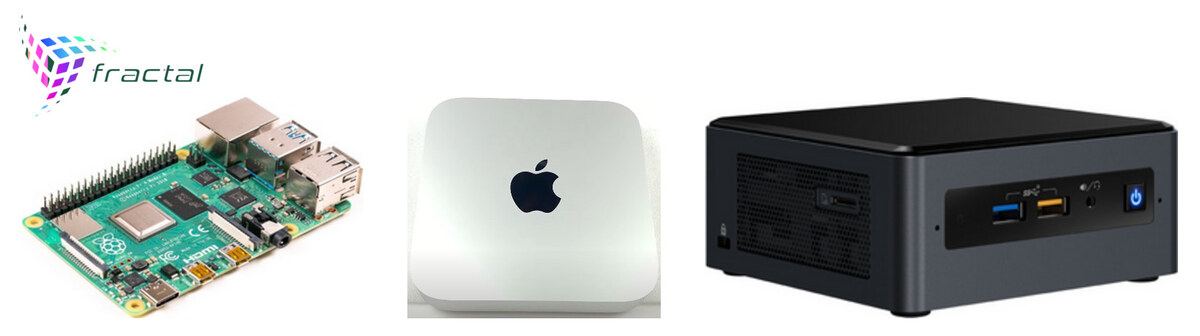
A Raspberry Pi, an Apple Mac mini, and an Intel NUC mini-PC
Raspberry Pi · Mac mini · mini-PC — runs on hardware you can hold
Declassified architecture Forty years proven in the hardest U.S. government applications Now aimed at the biggest problems of the day
The Crisis

Communities are paying the price for everyone else's compute.

The race to build centralized data centers is colliding with real places — pulling water from drought-stricken basins, driving up household electric bills, and bulldozing land and homes. The cost lands on the people who live nearest the build.

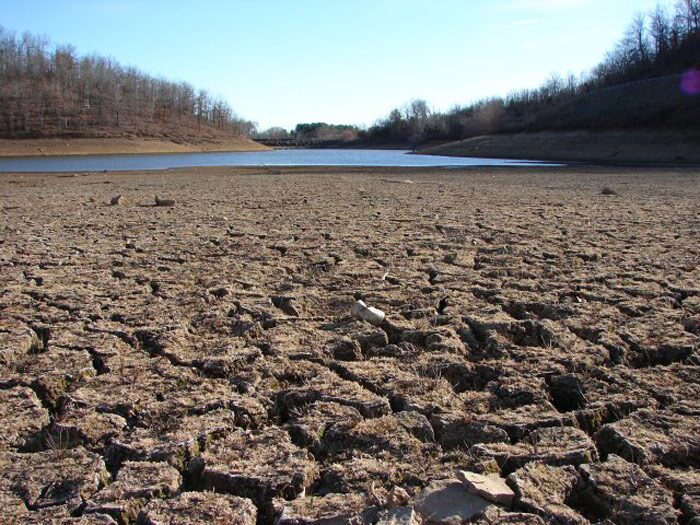
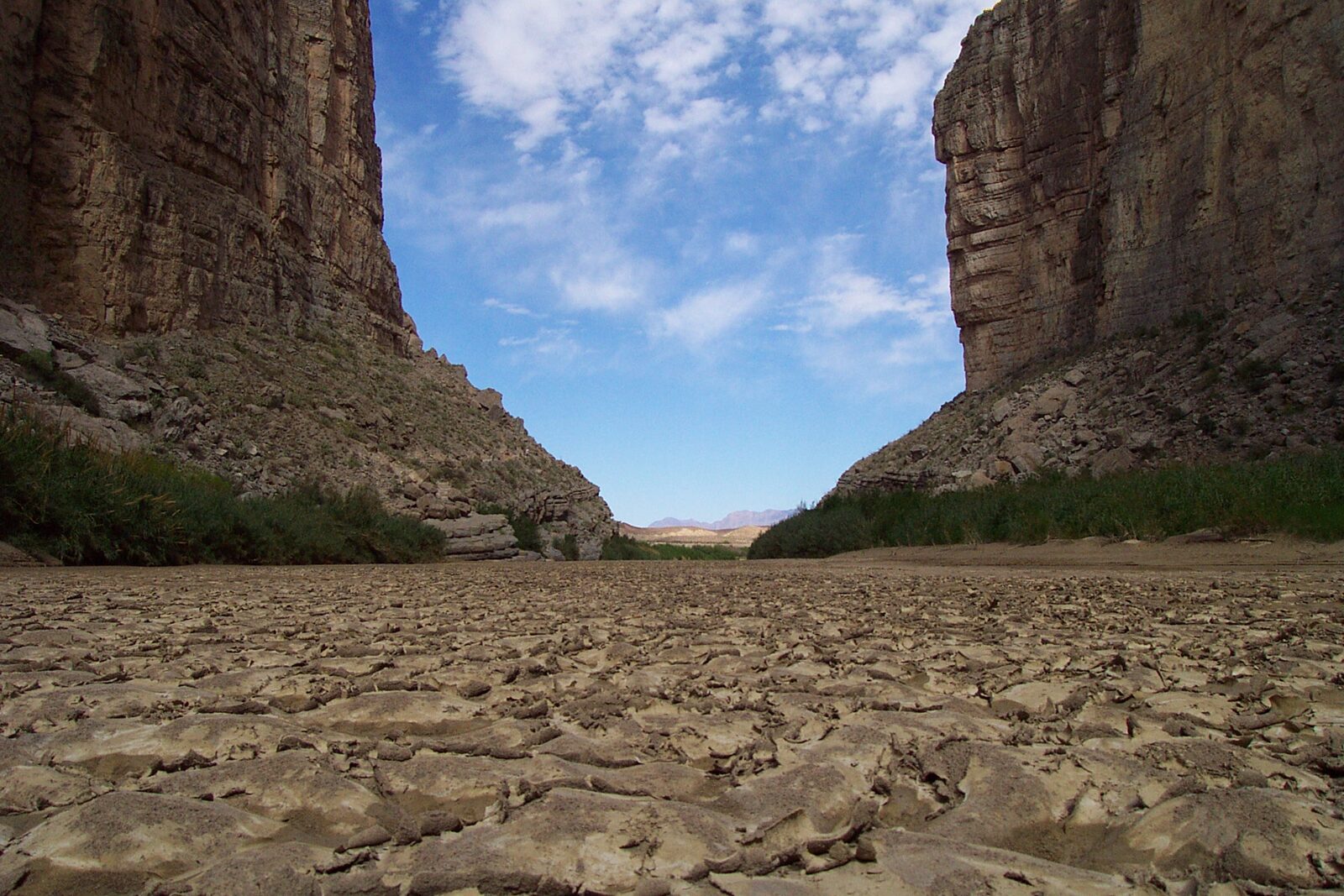
A cracked, dry lakebed
Dry
Stretches of the Rio Grande now run dry — basin reservoirs at record lows
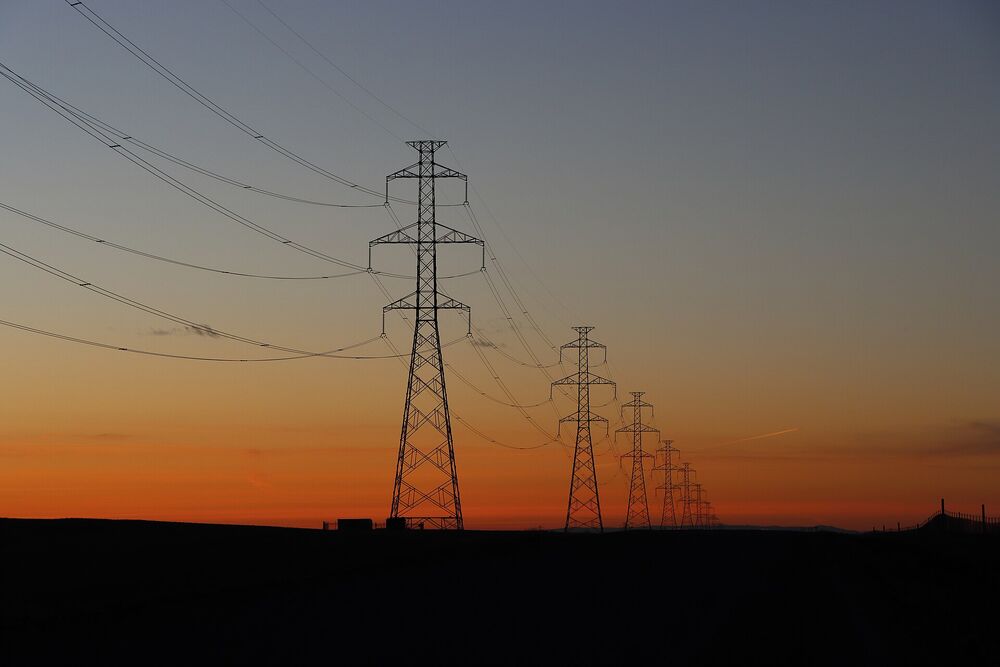
High-voltage transmission towers at sunset
↑ Bills
Large data-center loads push electricity costs onto local ratepayers
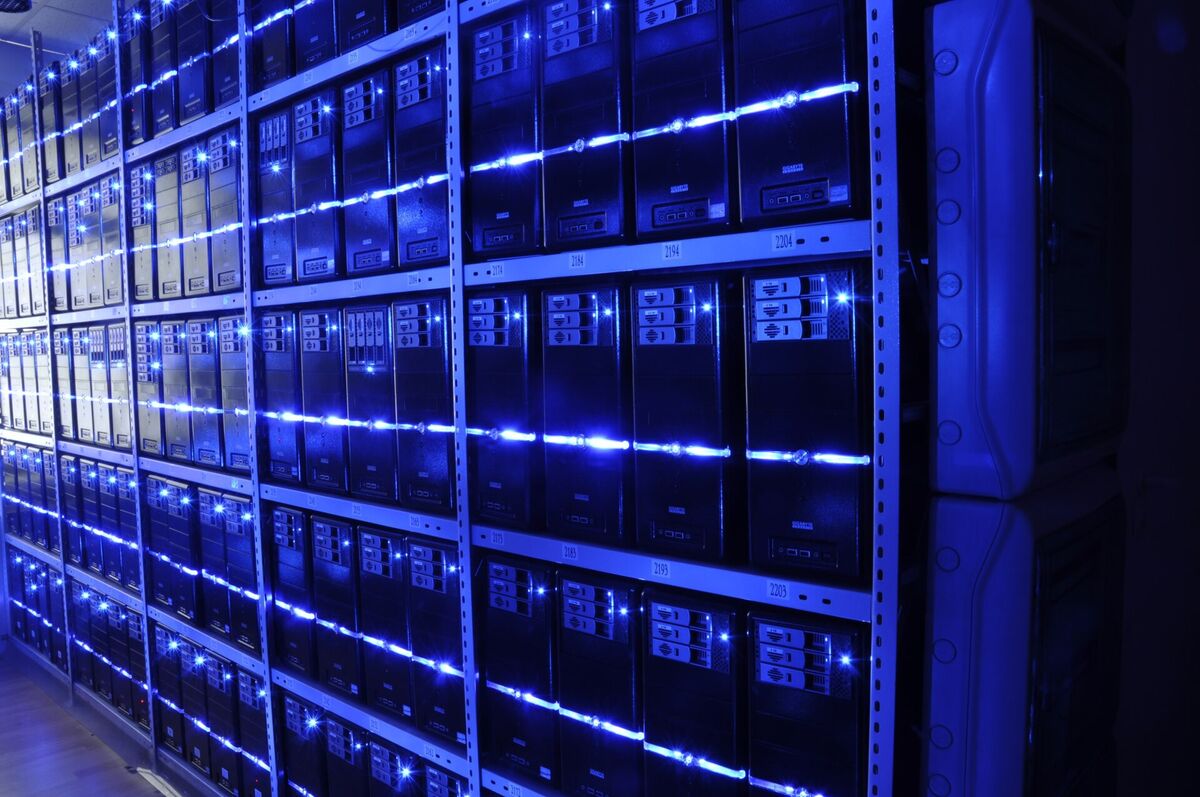
Rows of servers in a data center
89%
Of ERCOT's studied new large-load requests are tied to data centers
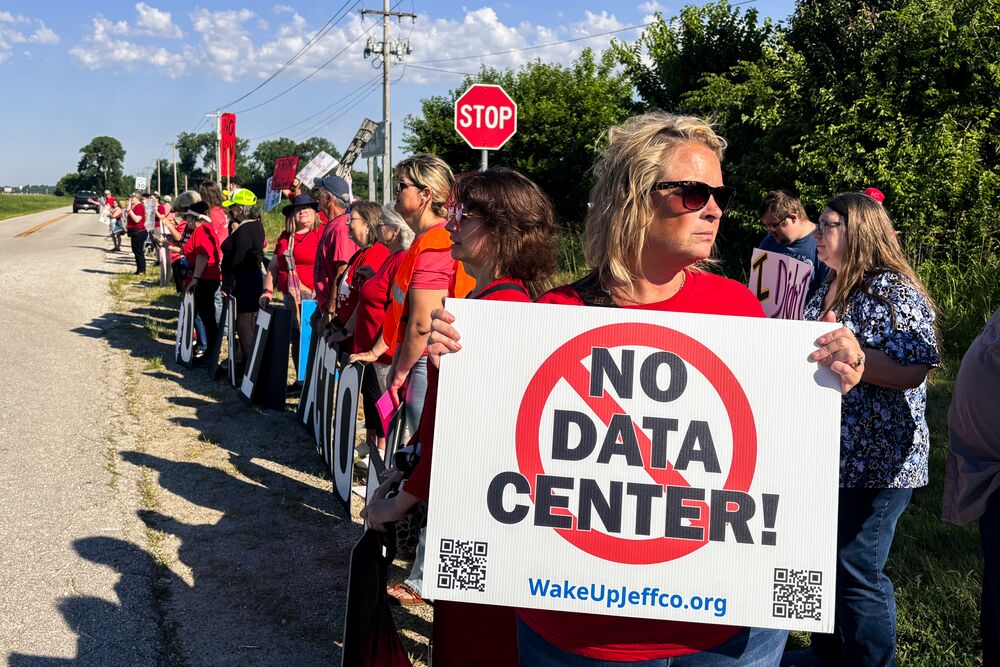
Residents holding a 'NO DATA CENTER' sign at a roadside rally
Dozens
Of projects blocked, delayed, or under moratorium amid local backlash
The harms are tracked nationwide by Erin Brockovich's Data Center map, which logs operational, proposed, and under-construction sites alongside community-reported concerns — including the e-waste from constant hardware turnover and the round-the-clock noise from cooling systems, diesel generators, and substations that disrupts sleep and wildlife.

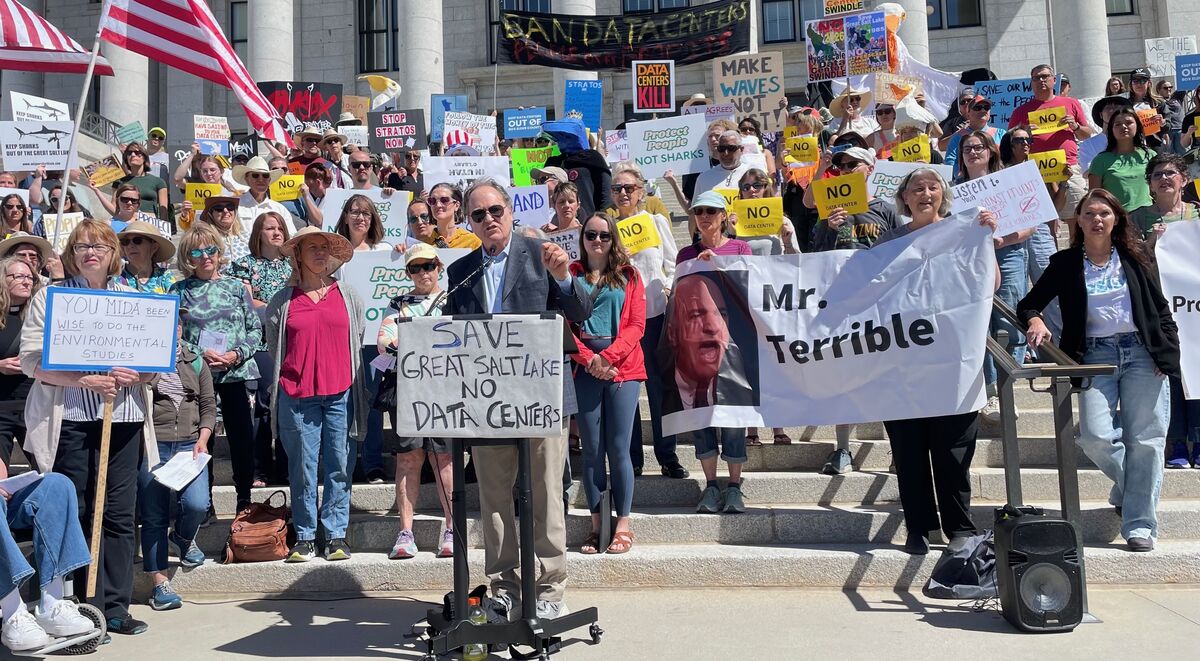
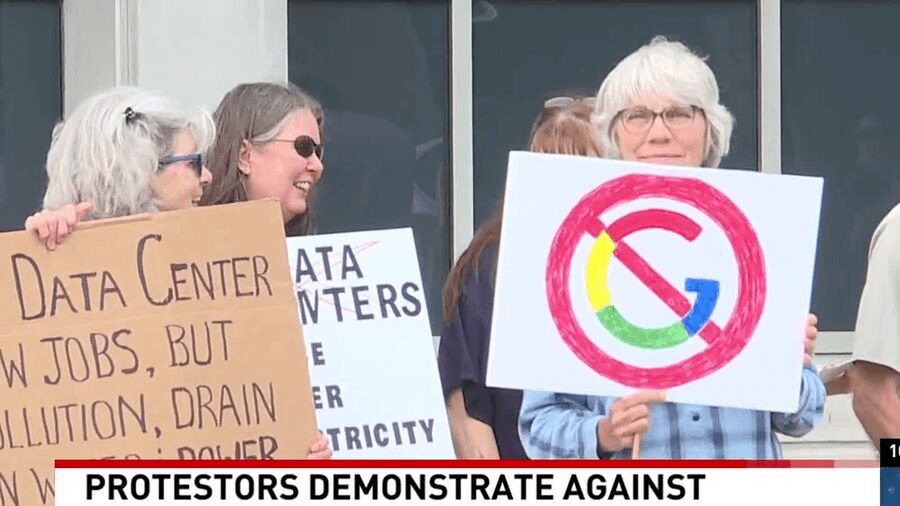
It's already happening — click each photo for the story:

The Thesis · Synthesized from The Black Swan Files

The rest of the world isn't buying data-center madness.

Writer and Fractal Computing evangelist Jay Valentine makes the case that the centralized, hub-and-spoke hyperscaler model is thermodynamically and topologically inferior — and that the smarter path is distributed: keep the compute, and the value, where the data and the people already are.

"80% of queries are low-complexity, deterministic tasks. Sending those to a 1.5 trillion-parameter oracle is thermodynamically indefensible."

— Jay Valentine, The Black Swan Files

"Distributed architectures where the node keeps the map get to explore more surfaces. It's not about pushing boundaries — it's ensuring all roads lead back to their tollbooth."

— Jay Valentine, The Black Swan Files
Topology

Star vs. mesh

A hub-and-spoke network's value scales as n×1. Distributed, group-forming networks scale far faster — centralization throws that value away by design.

Thermodynamics

Heat is the limit

Backhauling everything to mega-facilities runs into hard limits of power density and cooling. Distributed nodes shed heat where they sit.

Sovereignty

The world is moving

France, Japan, Germany, and Italy are already moving toward distributed, sovereign architecture — not the centralized US default.

Read the full analysis at The Black Swan Files →

A Better Way

Compute where the data already lives.

Fractal Computing eliminates the I/O bottleneck that leaves processors idle almost all the time — running enterprise workloads on ordinary, commodity hardware, near the source of the data. The result is dramatically less storage, less power, and no need for another hyperscale facility.

80–90%
Less storage footprint
10–1,000×
Faster applications, in production
~0
Hyperscale dependency — runs on commodity hardware
90 days
Typical time to full production

The buildout model

  • Data hauled to centralized mega-facilities
  • New hyperscale capacity required
  • Power & cooling scale with every byte
  • Cost externalized onto the local grid & watershed

The Fractal model

  • Compute travels to the data
  • Runs on hardware that already exists
  • Storage and energy demand collapse
  • The network itself becomes the computer

The Digital Twin migration — no rip-and-replace

EcoData builds a Fractal version of a system, runs it in parallel with the original, validates every transaction, and only cuts over when the savings are proven. No risk to existing data. No disruption. No source code required.

Performance Reviews · Synthesized from the record

Forty years of proof, not a pitch deck.

Independent of any sales claim, here is what Fractal Computing has actually delivered — synthesized from Fractal's own technical library, the production deployments documented at fractalweb.app, and the independent analysis at The Black Swan Files.

200M / sec
Transactions, with the I/O bottleneck virtually eliminated
10–1,000×
Faster than the legacy application it replaces
80–90%
Less storage than the system it replaces
90 days
Start to full production — vs. 2–3 years conventionally

Documented deployments

Electric Utility Billing

10M customers · $20K of hardware

Bills that took 107+ days now run in about an hour — 100× faster, with zero risk to the source system. In production over 7 years.

FEC Database · 2024 demo

680,000,000 records

A federal system that struggled at 500,000 transactions a week — run at quantum speed on a computer you can hold in your hand, no data center.

Real-Time CRM · 2022–23

1.7 billion records

Operating in real time on a pair of Intel NUCs — built and deployed in a single business quarter.

Demand Forecasting

Hours → minutes

1,000× faster, running 100% of the customer data instead of a sample — delivered in one quarter, moving millions in futures contracts each year.

Telecom Billing

100× faster

Billing on 90% less storage, with zero downtime during operation.

Hospital Revenue Recovery

Real-time claims

Denied insurance claims identified and resubmitted as they occur — recovering revenue legacy batch systems leave on the table.

How a Fractal claim is verified

Every result above is proven the same way. A Fractal twin is built in a quarter for roughly one-tenth the cost, then run in parallel with the live legacy system for multiple quarters — reconciling every line, every invoice, every transaction to 100% fidelity before anyone flips the switch. The review is the product.

Sources & further reading: production figures reported by Fractal Computing and documented at fractalweb.app; method and case detail from Fractal's technical library; independent thesis at The Black Swan Files. Figures are partner-reported and have not been independently audited here.
Communities First

We start where the harm is greatest.

Resistance to the data-center buildout is no longer a blue-state or environmentalist story — it is bipartisan, local, and growing. These are the places already fighting for their water, their bills, their land, and their right to decide. They are where EcoData's better-way approach matters most.

Seattle, WA
Emergency moratorium
Passed unanimously after public backlash.
Tucson / Pima Co., AZ
Project Blue
Water, power, secrecy, and land-sale fight.
Coweta Co., GA
Project Sail
Referendum effort, lawsuit, rural land revolt.
Loudoun Co., VA
"Data center capital"
Tightening zoning; by-right development ended.
Prince William, VA
Digital Gateway
Now election-defining land-use politics.
Rural Texas · ERCOT
Grid-cost backlash
Large-load review; 89% of demand is data centers.
Oregon
Statewide siting review
Utility costs, forests, farmland, affordability.
Middle Tennessee
Spreading moratoriums
Nashville, McMinnville, Warren & Coffee counties.

The same four fights, everywhere

Electric bills
Ratepayers absorbing the cost of new load
Water use
Cooling demand in stressed basins
Land-use authority
Who actually decides what gets built
Durable value
Whether the community gains anything lasting
How EcoData Works

Fractal innovates. EcoData brings it to the world.

Fractal Computing owns the research, architecture, and IP. EcoData holds the exclusive rights to commercialize it across electric utilities, data centers, large retail, and enterprise — and does it on a model where the customer only pays out of money it actually saves.

Assess. Find the real cost of a customer's current infrastructure and where it can be cut.
Verify the savings. The technical team models and validates exactly what can be saved — and proves it on a Digital Twin.
Deploy with no rip-and-replace. Run in parallel, validate, then cut over only when the result is proven.
Share the savings. The customer keeps the majority of what it saves; EcoData earns a defined share of verified savings — no software license, no upfront bet.
EcoData doesn't sell hardware, licenses, or capacity. It sells a measurable outcome — less cost, less power, less water — aligned so that it only wins when the customer, and the grid around them, wins too.
Who We Are

A team built to commercialize responsibly.

EcoData was initiated by Leland Lehrman, who originated the Fractal relationship, and is being built with operators across utilities, enterprise sales, finance, and infrastructure — anchored by a civilian, peacetime, ecological mandate.

Leland Lehrman
Co-Founder · Partnerships
Initiated EcoData and the Fractal relationship; connector across policy, health, and media; mission anchor.
Corey Call
Co-Founder · CFO
Organizational development and finance; parent venture PRH Trust.
Verick Burchfield
Co-Founder
Water systems, existing data centers, and policy.
William Anthony
COO
Operations, deployment, and delivery.
Edwin "Ted" Coyle
CTO
Ex-Oracle; data-center teams; technical validation and architecture.
Heidi Cottle
CCO
Customer success, support, and community relations.
Paul Rankin
Sales
Sales leadership and management.
Joaquin Altenberg
Utilities
Clean-energy and electric-utility deal experience.
Lewis Johnson Jr.
Sales
Enterprise relationships and outreach.
Dr. Jessica Shinners
Organizational Development
Team design and operations.
Steve Johnson
Treasurer
Financial controls and treasury.
Fractal Computing
Technology Partner
Core architecture, R&D, and IP — evangelized by Jay Valentine of The Black Swan Files.
Get Involved

Build the model that makes the old one obsolete.

"You never change things by fighting the existing reality. To change something, build a new model that makes the existing model obsolete." — Buckminster Fuller

If you work with a community facing a data-center fight, a utility carrying the load, or an enterprise ready to compute differently — let's talk.

Contact EcoData

or write us directly at sales@ecodata.one